About the Facilitator
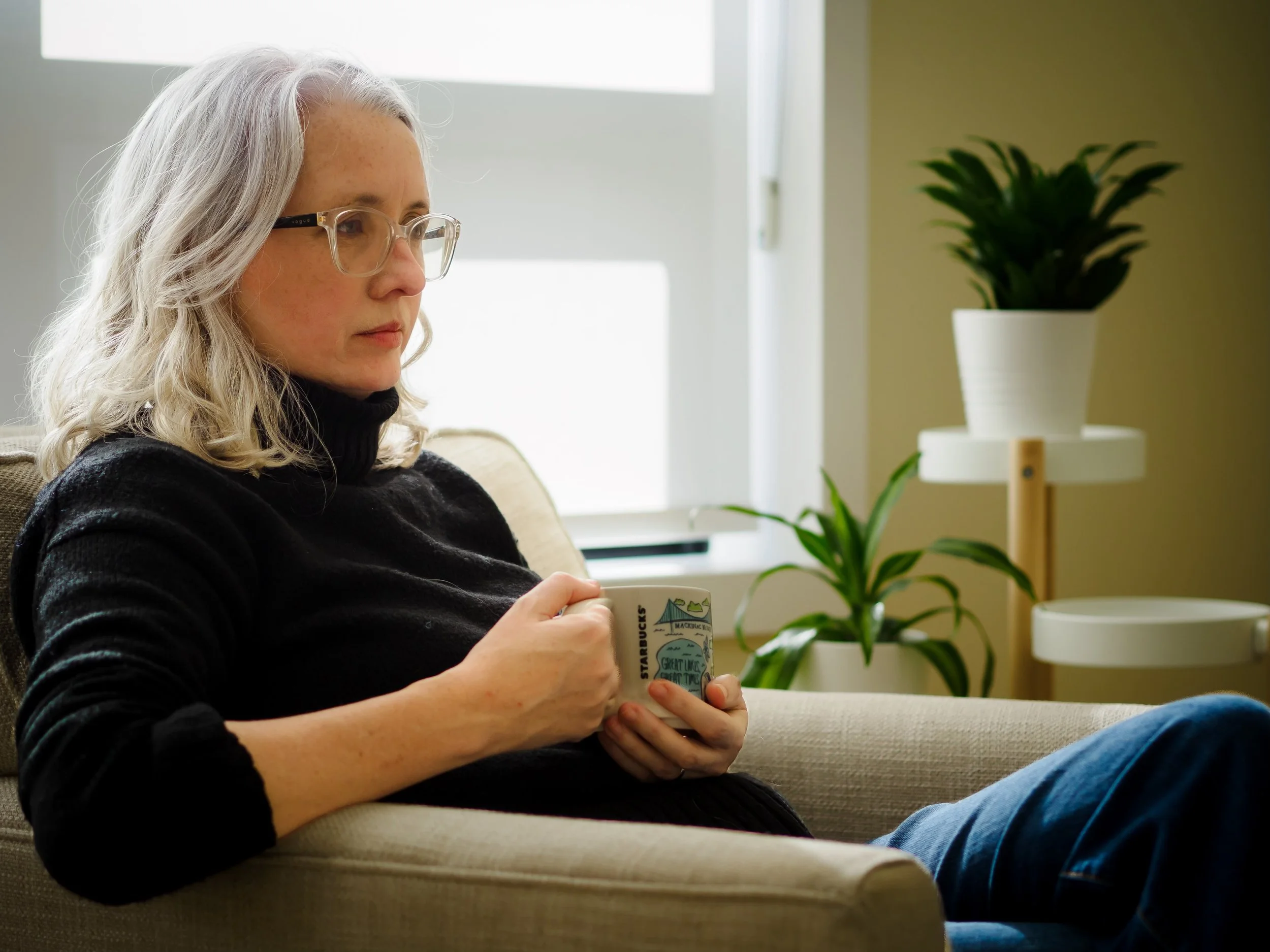
The Monday Room will be facilitated by me Sara Wilken (MSW, RSW, PhD). I live in Stratford where I also work as a therapist in private practice.
I have worked with many families over the years for a wide range of reasons and currently work mainly with adults, including autistic adults. I have a special interest in what it means to create a genuinely neuroaffirming space and continue to learn from professional training in this area and from the people I work with.
Why I Created Monday Room
Through my work with adolescents and families I began to notice how many young people benefit from having access to spaces that are calm, creative and low pressure.
Many spend much of their day managing expectations at school or in structured programs. I wanted to create a place where they could simply spend time together in a comfortable environment and explore their interests at their own pace.
The space is influenced by self-directed learning environments, where participants are trusted to follow their interests and participate in ways that feel meaningful to them.
Over time, my hope is that the environment will be shaped by the participants themselves so that it feels like a space that truly belongs to them.
My Role in the Space
I will be present throughout each session to support the group and help maintain a calm environment.
Because the group is small, I meet with each participant before they join so that everyone can feel comfortable in the space.
Monday Room is not therapy
It is a small welcoming studio where participants can work on projects, relax, or spend time with others in a low demand environment.
About the Space
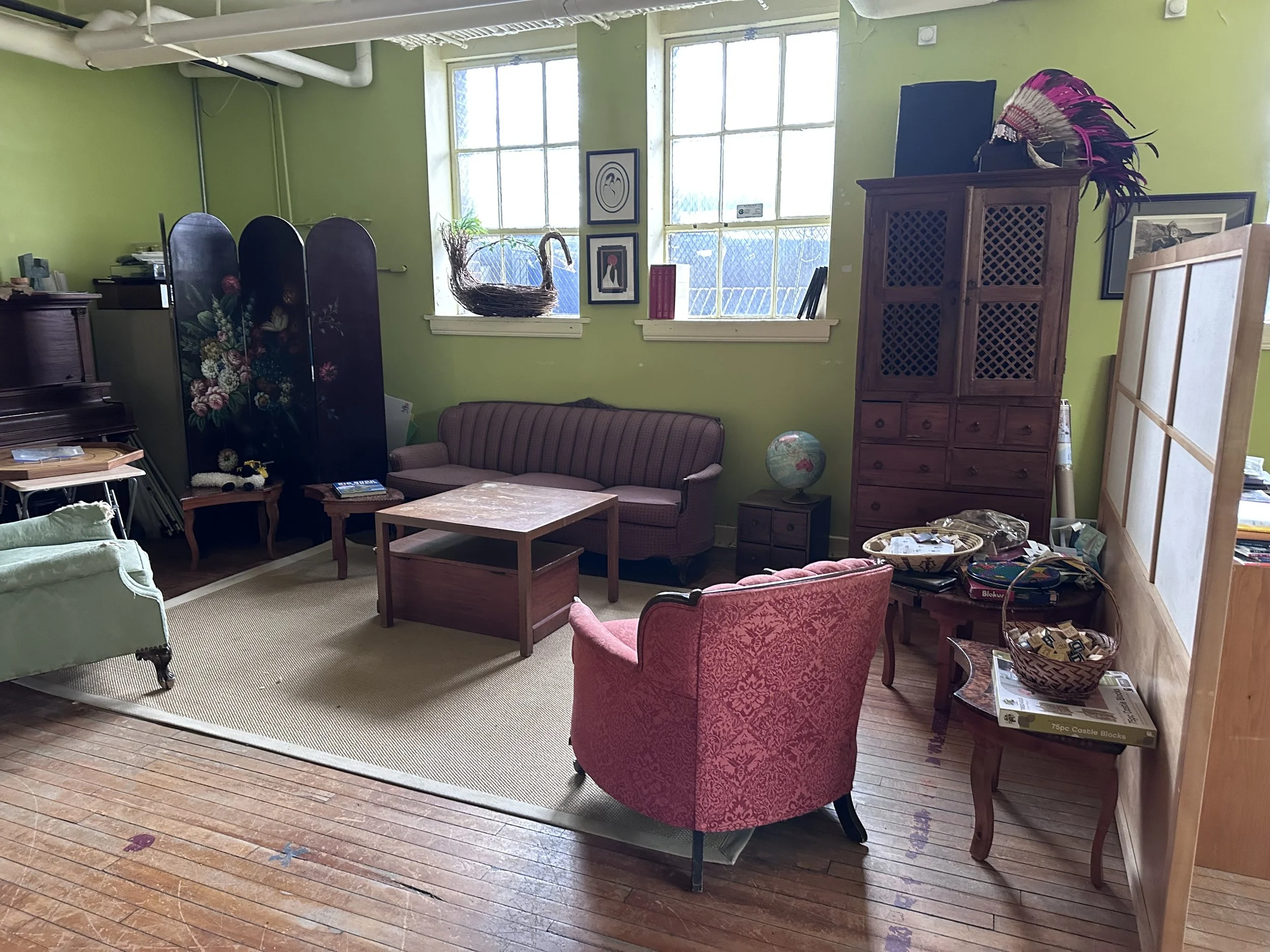
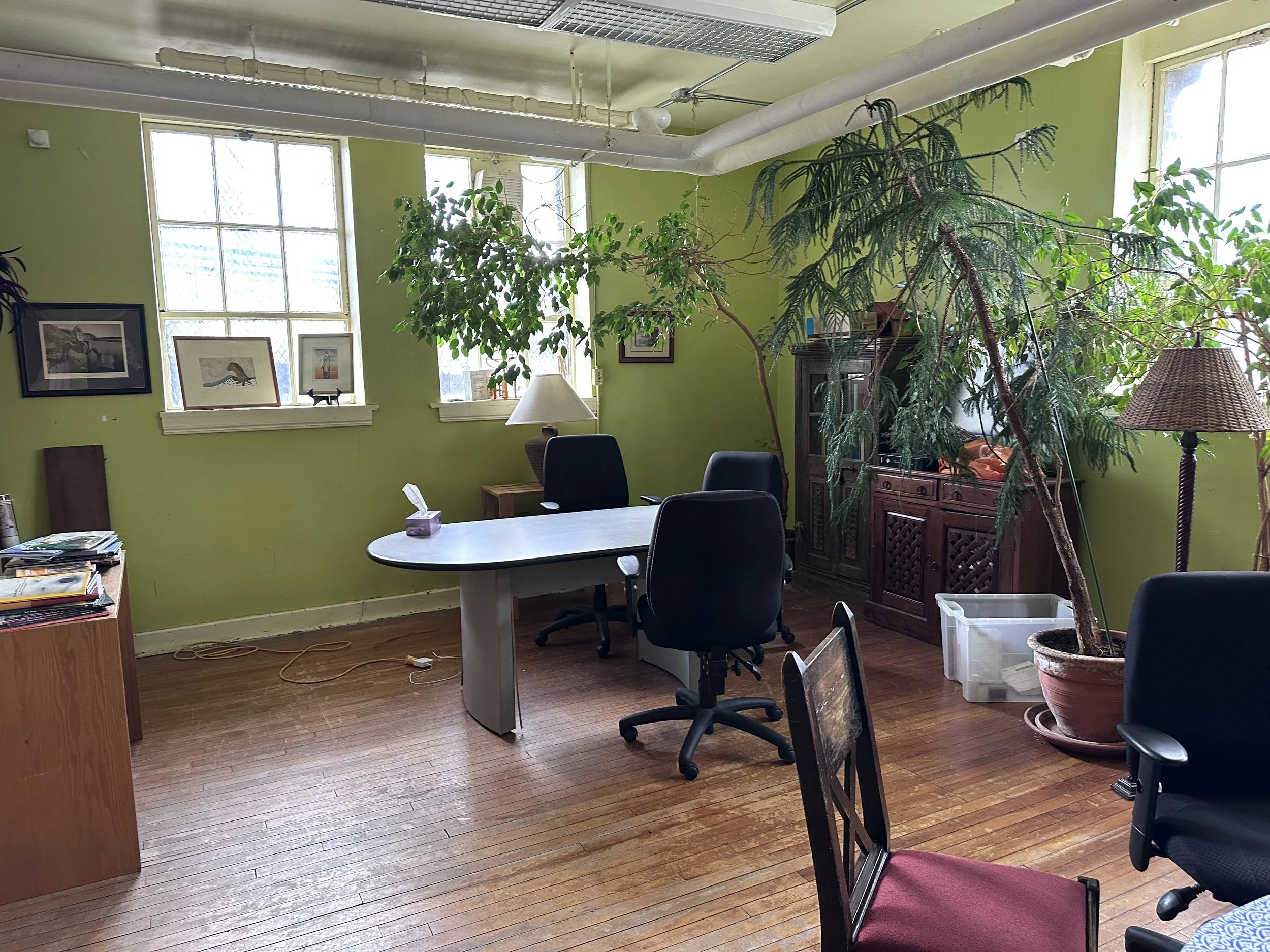
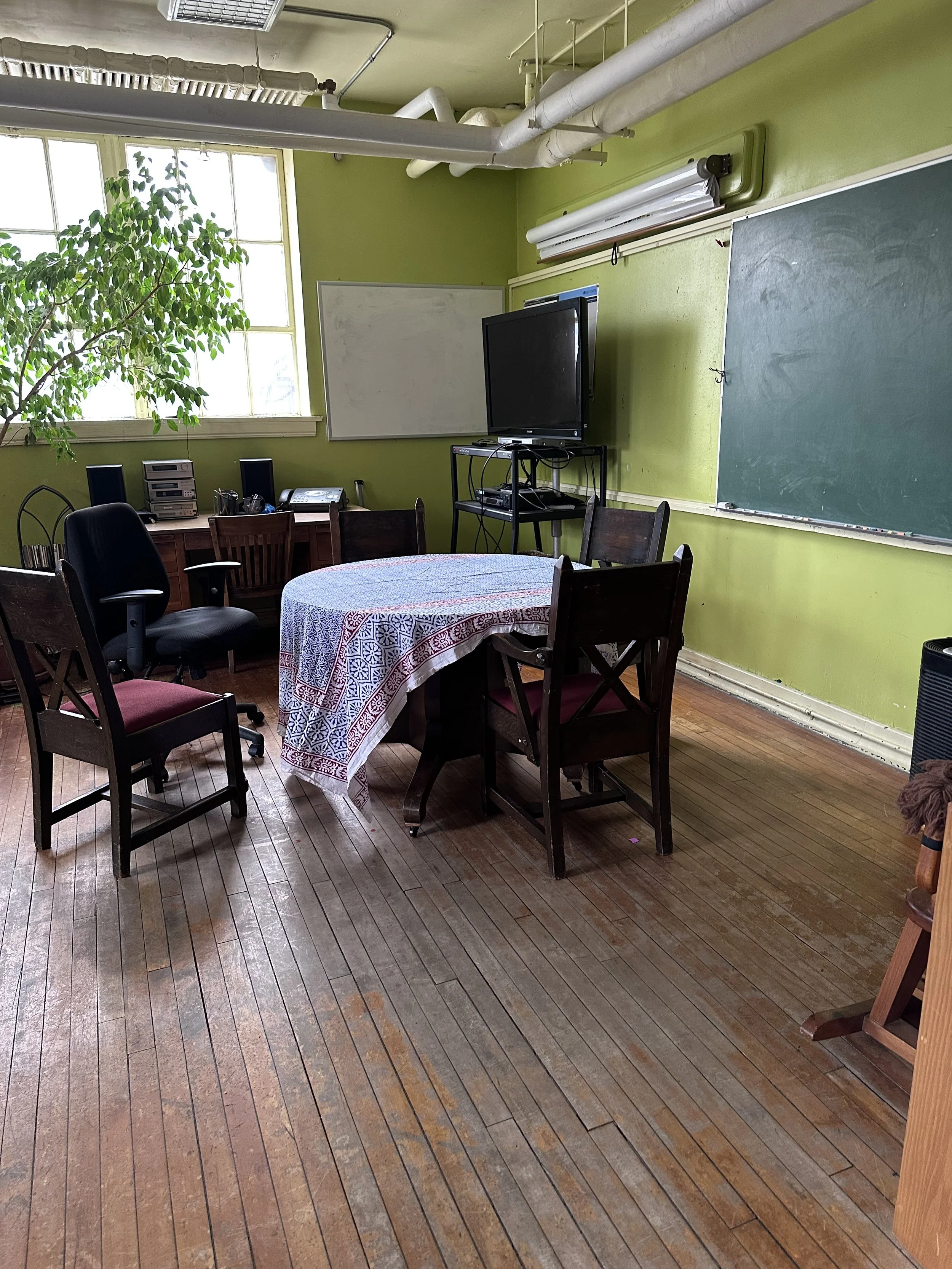
small lower level space at Falstaff Family Centre in Stratford
comfortable seating and work tables
soft lighting
quiet corner for projects
tea and simple snacks
creative materials available
A Self-Directed Learning Ethos
Monday Room is influenced by self-directed learning environments where young people are trusted to explore their interests and participate in ways that feel meaningful to them. Rather than following a set curriculum, participants are invited to work on projects, develop ideas, or simply spend time in a calm shared space. Over time, the interests of the group may help shape the atmosphere and activities in the room.
The goal is not to push participants toward a particular outcome, but to create an environment where curiosity, creativity and comfort can eventually grow.
Why a Space for Girls?
Neurodivergent girls are often under-recognized and can feel especially isolated. Many learn to hide their differences or meet social expectations so well that they become exhausted. At the same time, they may struggle to find peers who understand them.
Monday Room is designed to offer a calm, welcoming space where girls can spend time together without pressure to socialize in a particular way. My hope is that sharing space with others who may understand their experiences can make it easier to relax, connect, and feel comfortable being themselves.
The current group is for teen girls. If the program grows, additional groups may be created for other ages and genders.
What Happens During Monday Room?
Every session is simple and flexible. Participants can engage as much or as little as they like. They may bring their own projects or use materials available in the studio.
When participants arrive, they settle into the space and choose how they would like to spend their time. One table may offer a new project for those who are interested in participating as a group. Other tables will be set up with materials for other projects such as sewing, drawing or crafts. Others may chat, listen to music or relax. .
There is no pressure to participate in any particular activity. The goal is simply to offer a calm, welcoming place where girls can spend time alongside one and other and feel comfortable being themselves.
Contact
If you have questions or would like to learn more, you are welcome to contact me directly at sara@mondayroom.ca